
Geopolitics & Capital Flight: Why Investors Choose Miami
A New Force Shaping Miami's Market
While Miami's growth has been strongly supported by economic fundamentals, a new and increasingly powerful force is shaping the market in 2026: geopolitics.
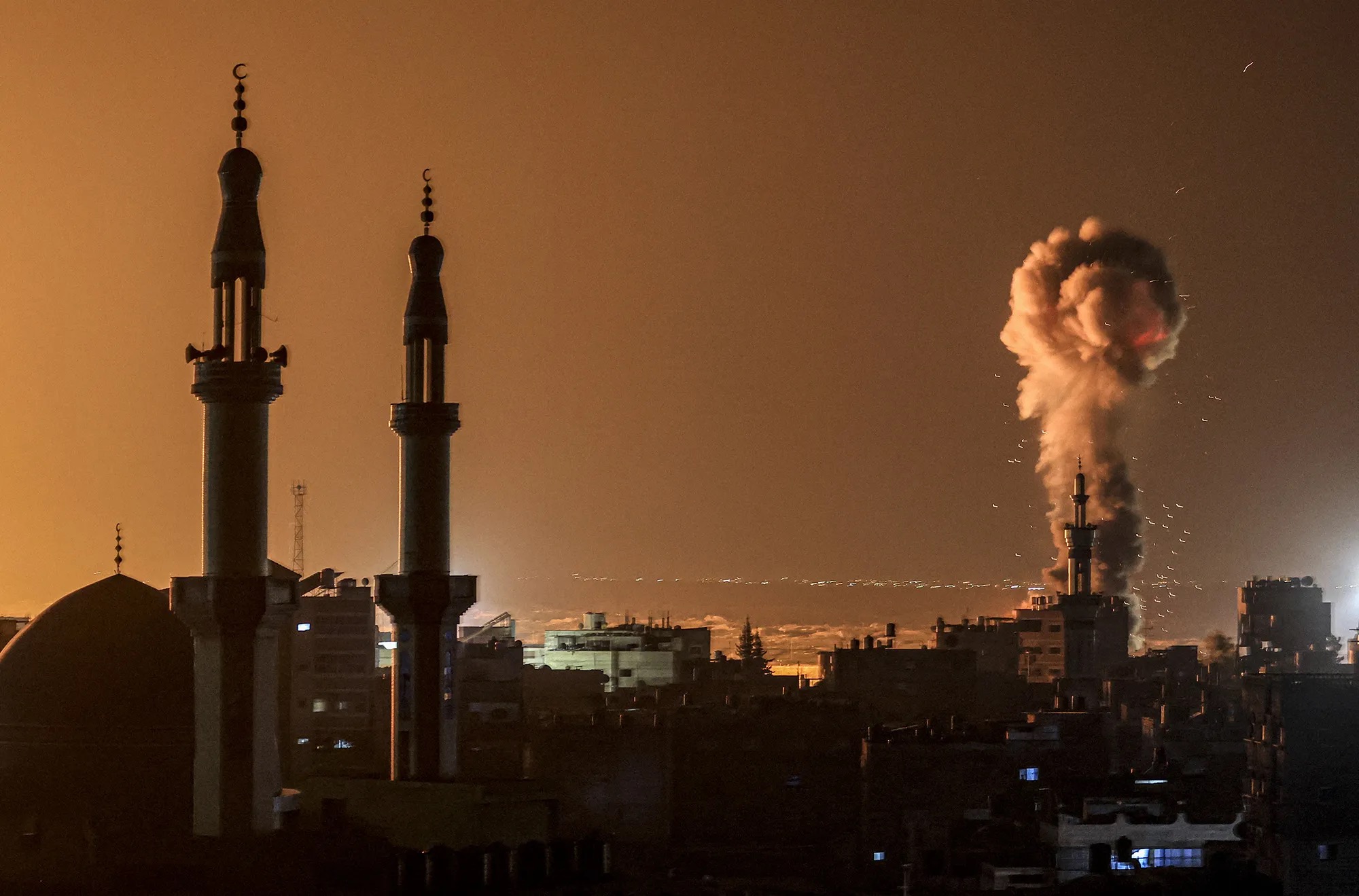
Global instability—particularly tensions across the Middle East, Eastern Europe, and Asia—is influencing where capital is preserved, deployed, and protected.
This isn't theoretical. It's already impacting investment decisions at the highest levels.
From Dubai to Miami: A Strategic Reallocation
For years, cities like Dubai and Singapore have served as primary hubs for global capital, offering tax efficiency, luxury infrastructure, and international appeal.
However, in periods of geopolitical tension, capital tends to seek jurisdictions with stronger legal protections, currency stability, and long-term security.
This is where Miami enters the equation.
Rather than replacing Dubai, Miami is emerging as a complementary safe-haven market in the Western Hemisphere, attracting investors who are:
- ● Diversifying geopolitical exposure across multiple regions
- ● Hedging against regional instability
- ● Seeking U.S.-based asset protection with USD denomination
According to the Miami Association of Realtors, international buyers purchased $4.4 billion of South Florida residential real estate in 2025. International buyers accounted for 15% of all residential purchases in the Miami metro area—five times higher than the U.S. national average.
Political Stability as an Investment Strategy
In today's environment, political stability is no longer just a macro concept—it's a core investment variable.
The United States continues to offer:
- ● Strong rule of law and property rights protection
- ● Transparent financial and legal systems
- ● Deep, liquid capital markets
- ● Global reserve currency exposure
Within that framework, Miami stands out due to its international accessibility, cultural alignment with global investors from Latin America, Europe, and the Middle East, and proven resilience as a luxury real estate market.
Infrastructure & Accessibility: Supporting Global Capital
Parallel to these geopolitical shifts, infrastructure improvements are reinforcing Miami's positioning.
Miami International Airport is undergoing a $12 billion modernization program—the largest in its history—designed to accommodate 77 million passengers and 4 million tons of cargo by 2040.
MIA offers more flights to Latin America and the Caribbean than any other U.S. airport, is the busiest airport for international passengers in Florida, and ranks as the second-busiest for international travel in the entire United States.
Recent expansions include:
- ● New Concourse K: $600 million investment adding six new gates
- ● Concourse D Expansion: $1 billion project adding 17 gates for larger aircraft
- ● Central Terminal Redevelopment: Complete modernization by 2030
This level of connectivity is critical—because global capital follows efficiency and access.
Investment Implications for Miami Real Estate
The result of these combined forces is clear: Miami is increasingly viewed as a safe, scalable, and globally connected destination for capital.
This directly impacts real estate through:
- ● Increased international buyer activity across all price points
- ● Greater demand for secure, high-quality assets
- ● Continued strength in luxury and branded residences
Investors reallocating capital from markets experiencing instability are prioritizing:
- ● Legal certainty: U.S. property rights and contract enforcement
- ● Long-term asset protection: Stable regulatory environment
- ● Liquidity and exit flexibility: Active resale market
Miami delivers on all three.
2026: A Convergence of Catalysts
This year brings additional momentum. The FIFA World Cup 2026 will draw millions of visitors through Miami, with seven matches at Hard Rock Stadium and MIA serving as a primary transportation hub for fans traveling to other host cities.
Combined with Formula 1, Art Basel, and the ongoing influx of corporate headquarters, Miami's visibility on the global stage has never been higher.
Final Perspective
The next phase of Miami's growth isn't being driven solely by economics—it's being accelerated by global political dynamics.
As capital seeks stability in an uncertain world, Miami is emerging as one of the most strategic destinations for preservation, diversification, and long-term growth.
The question is no longer if capital will flow into Miami—but how early investors position themselves ahead of that flow.
For private guidance on Miami luxury real estate opportunities, including early-stage and off-market investments, contact Juan Pablo Chacón for a tailored investment conversation.
Ready to Explore Miami's Luxury Market?
Contact Juan Pablo Chacon for personalized guidance on Miami luxury real estate.